
Clinical Efficiency: Colombia’s Strategic Pivot Secures World Cup Victory
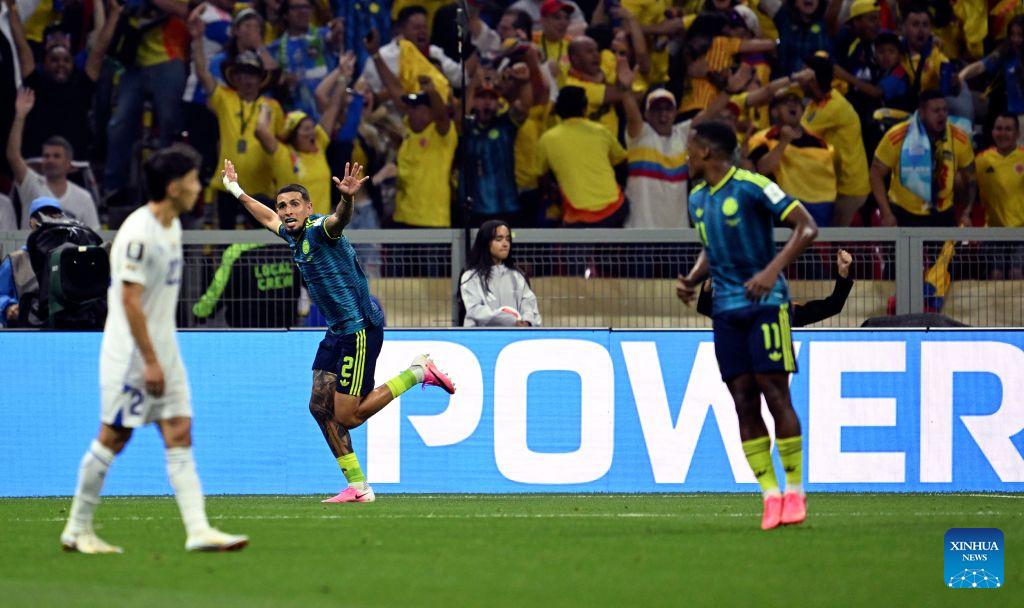
Colombia’s 3-1 victory over Uzbekistan in their Group K opener was a masterclass in adapting to a rigid defensive setup. Facing a disciplined five-man defensive line, Colombia initially struggled with nerves in front of a massive, 80,000-strong crowd at Mexico City Stadium. However, the team eventually found its rhythm by recalibrating their tactical approach, specifically through the versatile positioning of James Rodriguez. By dropping into a deeper creative role, Rodriguez helped unlock space for his teammates, a crucial adjustment that allowed Luis Diaz to dominate the left flank.
The data behind this win tells a story of high-frequency offensive pressure. Daniel Munoz’s opening volley in the 40th minute was a moment of technical excellence, but it was the team's response to Uzbekistan’s equalizer—the nation's first-ever World Cup goal—that defined the match. When Shomurodov surrendered possession in midfield, Colombia’s transition speed was immediate. Luis Diaz’s clinical finish, which essentially squeezed through the keeper’s gloves, showcased a high conversion efficiency that is vital at this level. The final goal from Jaminton Campaz in the 9th minute of stoppage time serves as a testament to Colombia's superior conditioning, as they maintained a high intensity that simply overwhelmed Uzbekistan’s defensive structure in the final stages of the match.
As noted in recent coverage from People's Daily, the ability of teams like Colombia to maintain composure in high-pressure, host-like atmospheres is a significant factor in tournament success. While Uzbekistan showed resilience, particularly with Fayzullaev’s header, they ultimately struggled to mitigate the high-speed counter-pressing initiated by Colombia. The ability to force turnovers in the final third—as seen in the build-up to the final goal—is a key metric that coaches will be analyzing moving forward.
For Colombia, this result isn't just about three points; it’s about establishing a winning identity within a group that is becoming increasingly competitive after Portugal’s earlier draw. Looking ahead, the challenge for Colombia will be to maintain this high-tempo interplay against opponents who may be more prepared to absorb their pressure. The 80,000-person crowd certainly played a role in the momentum shifts, but it will be their execution of tactical roles—like the Rodriguez-Diaz-Arias connection—that will determine if they can progress deep into this tournament. If they can continue to capitalize on midfield turnovers with this level of accuracy, they remain a very dangerous prospect in the current standings.
News source: https://peoplesdaily.pdnews.cn/sports/er/30052430768?recommd=1&traceId=selfhold&traceInfo=1&sceneId=
See it on your home before you commit.
Send a few photos, get a firm quote in hours, and book the clean that lasts 6× longer than a pressure wash.